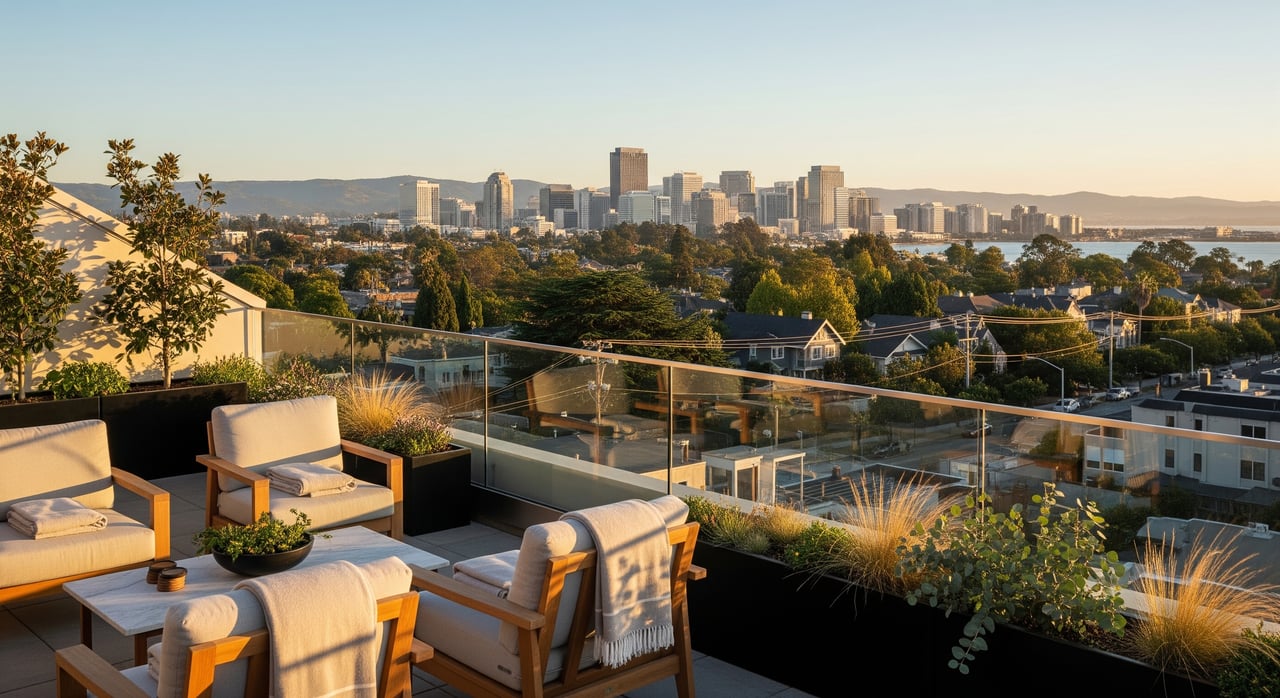
Choosing between Redwood City’s lively downtown and its quieter westside can feel like two great options with very different rhythms. You might want walkable nights out and an easy train ride, or you may prefer leafy streets and more space. In this guide, you’ll get a practical look at daily life, homes, commutes, parks, and essentials so you can decide what fits you best. Let’s dive in.
Downtown Redwood City at a glance
What daily life feels like
Downtown centers on Courthouse Square and the historic Fox Theatre, with steady foot traffic that picks up in the evenings and on weekends for shows and community events. Restaurants, cafés, and bars cluster within a few blocks, so you can run errands and meet friends without getting in the car. You’ll also find seasonal markets and pop-up events; check the Downtown events calendar for current schedules.
Housing and buildings
You’ll see mid-rise condos, newer apartment buildings, and some converted older flats. This mix suits buyers and renters who want proximity to dining, culture, and transit. If you value living car-light and being close to the train, downtown is a strong match.
Getting around and parking
Downtown’s Caltrain station anchors regional mobility for trips to San Francisco and Silicon Valley. Street parking is more regulated here than in outlying neighborhoods, with paid lots and time limits. For details on rates, permits, and zone rules, review the city’s parking information.
Mt. Carmel and the lower westside
Neighborhood rhythm
Mt. Carmel and nearby westside blocks feel residential, with quieter streets and a suburban scale. Many homes date to mid-century or earlier, and lots are modest to medium in size. You’ll likely drive or bike for most errands, often heading to downtown or nearby commercial corridors.
Home styles and lot sizes
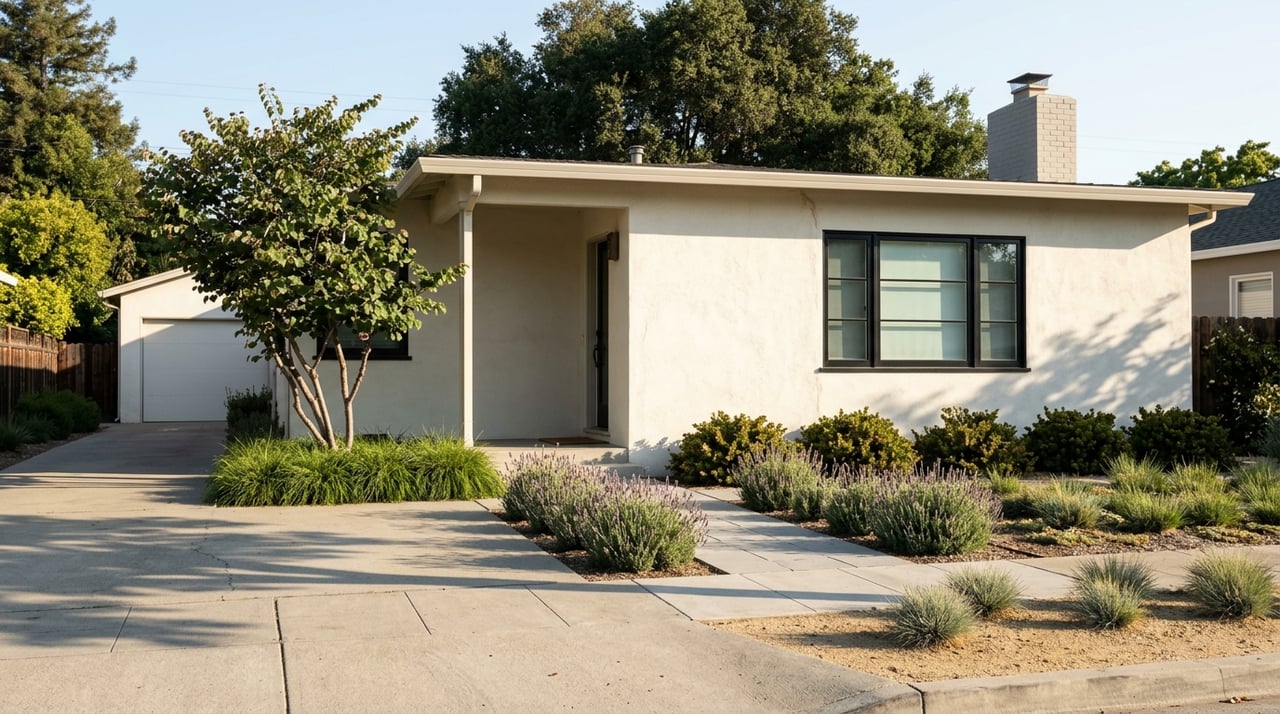
Single-family homes are common here, including bungalows, Craftsman-era designs, and mid-century houses. You’ll also find a small number of multifamily properties. Buyers often choose this area for a traditional neighborhood feel close to downtown amenities.
Errands and nearby shops
Local convenience stores and small markets cover quick needs, while larger supermarkets are a short drive in and around the city. Many residents pair weekly grocery runs with trips downtown for dining or services. Specialty foods and seasonal markets pop up downtown at different times of year.
Westside hills living
Space, views, privacy
Higher-elevation neighborhoods west of El Camino feature larger single-family homes, many with bay or city views. Styles range from mid-century modern and ranch to custom builds. Streets are more winding and less grid-like, and homes often have driveways and private garages.
Mobility and access to open space
Daily life is more car-dependent, but you gain quick access to westside open space and trailheads. If you want a quieter setting with yard space and scenic backdrops, the hills are compelling. Expect short drives for most errands and a straightforward drop to downtown for dining and events.
Commute options that work
Highways and driving
US-101 and I-280 run north-south along the Peninsula, with CA-84 (Dumbarton Bridge) offering East Bay access. Many residents commute to San Francisco, Palo Alto, Mountain View, or San Jose, and traffic builds during peak hours. Plan around typical Peninsula rush patterns and consider flexible schedules when possible.
Transit you can count on
Caltrain’s downtown station offers direct rail service to San Francisco, Palo Alto, Mountain View, and San Jose; check Caltrain schedules for timing and express options. SamTrans bus routes connect Redwood City to nearby Peninsula communities and local destinations. The transit center near the station simplifies transfers, and many cyclists use local bike lanes to reach the train.
Commute data snapshot
For a broad view of how locals get to work and typical travel times, review U.S. Census QuickFacts. It’s a helpful baseline as you weigh your personal schedule and mode options.
Daily needs made easy
Groceries and shopping
You’ll find grocery choices in and near downtown, plus larger chains around Redwood City and neighboring towns. Many residents combine downtown errands with regional stores for bulk or specialty items. Convenience stores are sprinkled along major corridors for quick stops.
Healthcare and services
Sequoia Hospital provides local acute care, with urgent care and specialty clinics nearby. Regional systems like Stanford Health Care and Kaiser Permanente have facilities on the Peninsula for additional options. Emergency and urgent care are a short drive from most neighborhoods.
Schools and childcare
Public elementary and middle schools are served by local elementary districts, and secondary schools are part of the Sequoia Union High School District. There are also private and parochial options. For enrollment and boundaries, consult official district sites to verify current information.
Libraries and civic resources
Redwood City Public Library branches offer study spaces, classes, and community programs. City pages list recreation programs, permitting, and utility services, which can be useful as you settle in.
Dining, entertainment, and culture
Where the action is
Courthouse Square serves as a community hub with concerts, movie nights, and festivals. The Fox Theatre hosts live performances that draw evening crowds. Downtown’s mix spans full-service restaurants, casual spots, cafés, and late-night options, reflecting a range of cuisines.
Nightlife and family-friendly fun
Evenings often center on the square and adjacent blocks, with walkable options for dinner and entertainment. Family activities show up throughout the year, including seasonal events and plaza gatherings. Check the Downtown events calendar to plan your weekends.
Parks, trails, and fresh air
Bayfront and marshlands
The Don Edwards San Francisco Bay National Wildlife Refuge area, including Bair Island, offers wildlife viewing, shoreline paths, and calm walking routes. Start with the refuge’s visitor information to find trail access points and tips for your visit. These spots are popular for low-key morning walks and sunset views.
Hillside preserves and city parks
Westside neighborhoods provide quick drives to county open space with hiking and biking. Explore San Mateo County Parks for preserves and trail maps near Redwood City. Inside the city, parks and recreation centers offer fields, playgrounds, classes, and pool facilities.
Housing styles and budget planning
What to expect by area
- Downtown: condos and mid-rise apartments, with newer infill buildings and some converted flats.
- Mt. Carmel and lower westside: older single-family homes and some small multifamily properties.
- Westside hills: larger single-family homes, often with views and more privacy.
Price context, simply put
Redwood City is part of the high-demand San Mateo County market, and prices track broader Peninsula cycles. Condos downtown usually offer lower entry points for city-core living compared with single-family homes. Westside hills tend to command premiums for lot size, privacy, and views. For current pricing and trends, many buyers pair public data with on-the-ground comps from a local expert.
Safety, climate, and practical tips
Staying informed
The city provides safety resources and crime data through the Redwood City Police Department. Patterns vary by block and time of day, and it’s smart to review updates as you evaluate locations. If you have specific questions, contact the department for current neighborhood context.
Microclimates and weather
Expect a mild Mediterranean climate with cool mornings near the Bay, warmer inland afternoons, and rainy winters from roughly November through March. Westside hills can be slightly warmer and drier in summer than the bayfront. A light jacket works year-round, and you’ll want rain gear in winter.
How to choose your fit
Use this quick checklist to match a neighborhood to your routine:
- You want walkability, culture, and Caltrain access: consider downtown.
- You prefer quiet streets and single-family homes near downtown: look at Mt. Carmel and the lower westside.
- You value space, privacy, and views with quick access to open space: explore the westside hills.
- You commute by rail: prioritize proximity to the Caltrain station.
- You need regular highway access: assess your route to US-101 or I-280 at different times of day.
When you’re ready to compare homes, neighborhoods, and financing paths, connect with Robert Pedro for local guidance and an end-to-end plan.
FAQs
What is daily life like in Downtown Redwood City?
- You’ll find walkable dining, cafés, and entertainment centered around Courthouse Square, with busier evenings and weekends driven by events and shows.
How car-free can I be if I live downtown?
- Many errands are walkable, and Caltrain plus local buses cover regional trips; expect more regulated parking and consider biking for short hops.
What are the commute options from the westside to major job hubs?
- Most residents use US-101 or I-280 for north-south trips, while Caltrain serves downtown; traffic is heaviest at rush hour, so plan around peaks.
Where can I find parks and trails near Redwood City’s westside?
- County preserves in the hills offer hiking and biking, while the Don Edwards refuge and Bair Island provide bayfront trails and wildlife viewing.
How is parking handled in Downtown Redwood City?
- Expect paid garages and time-limited curb spaces; check the city’s parking pages for current rates, hours, and any permit-zone rules.
Where can I see current safety information for Redwood City?
- Review the Redwood City Police Department resources and dashboards for updates, and contact the department with neighborhood-specific questions.