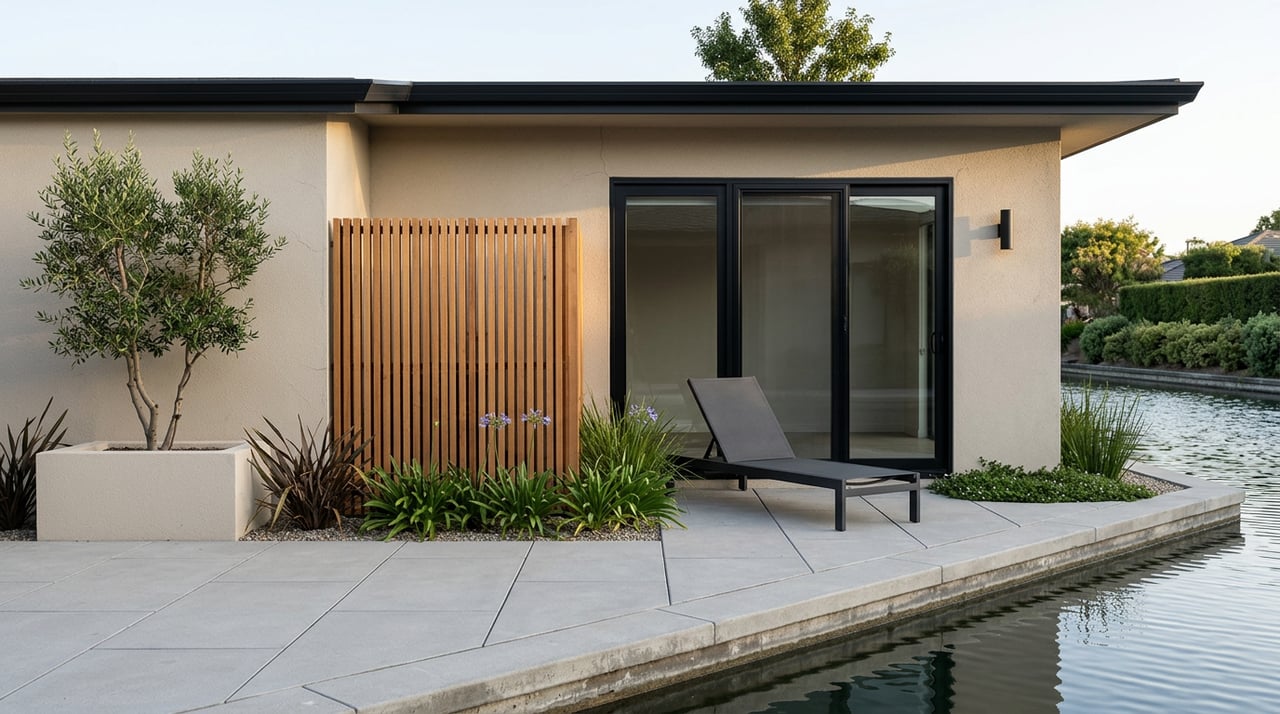
Picture this: you step outside with a coffee, watch a few paddleboarders drift by, and then slip your kayak into calm, glassy water right off your dock. That is a typical morning on Foster City’s lagoon. If you are drawn to a quieter waterfront lifestyle with easy access to parks, paths, and small-boat fun, this guide will help you see what living on the water here is really like. You will learn how the lagoon works, what activities are popular, the rules you will want to know, and what to expect from homes along the shoreline. Let’s dive in.
Foster City’s waterfront feel
A planned lagoon city
Foster City was purpose built around water in the 1960s. The lagoon system is man‑made and designed for both recreation and stormwater detention, which is why daily life here feels close to the shoreline. You can read a short overview in the city’s history of Foster City.
The lagoon itself includes about 16.5 miles of shoreline, with a main channel of roughly 4.5 miles. It is shallow by design, with an average maximum depth around 6 feet and a capacity of about 424 million gallons. The city manages the system with intakes, pumps, and controlled exchanges with the Bay. These details shape life on the water: calm surfaces, small craft, and low speeds rather than open‑Bay boating. For specifics, see the city’s Lagoon Management Plan.
Flood protection is part of the waterfront story too. Foster City’s levee and pumping infrastructure protect the community and also carry a popular pedway that connects into the Bay Trail. FEMA has certified the levee for 1% annual chance (100‑year) flood protection under its current design. For context, visit the city’s page on the lagoon and levee system.
Daily routines on the water
Life on the lagoon moves at a relaxed pace. You will see paddleboards, kayaks, and windsurfers, with electric Duffy boats gliding by at low speed. Because the water is shallow and sheltered, most activity is close to shore rather than long-distance cruising. If you are new to water sports, the city’s concessions and lessons at Leo J. Ryan Park make it easy to try something new. Explore options on the city’s water activities page.
Small public beaches are part of the rhythm of warm days. Spots like Erckenbrack Park, Gull Park, and Marlin Park are common staging areas when water quality is within guidelines. Grassy lawns, short boardwalks, and pocket beaches give the lagoon a neighborhood scale rather than a big-ocean feel. The Lagoon Management Plan maps these sites and explains how the system is maintained.
And not every waterfront routine happens on the water. The levee path is a favorite for stroller walks, dog‑friendly loops, and sunset runs. Because it connects to the regional Bay Trail, you can stretch a quick jog into a scenic ride without crossing major streets. The lagoon and levee page covers the trail connection and its role in city life.
Recreation and community events
Parks, lessons, and easy access
You do not need to own a boat to enjoy lagoon life. Seasonal concessions offer rentals and lessons for windsurfing, kayaking, and stand‑up paddleboarding, and you can find electric Duffy rentals as well. That lowers the barrier for newcomers and weekend guests. Check current offerings through the city’s water activities hub.
Public beaches and shoreline parks give you simple launch points without a big trip. Erckenbrack, Gull, and Marlin Parks are frequent favorites for casual swims and family picnics when posted water conditions are good. The Lagoon Management Plan outlines how water is circulated and monitored so residents can plan their days.
Signature lagoon events
Community events often center on the water. You might watch a boat parade glide past your block or cheer along during the city’s whimsical Rubber Ducky Race. Summer concerts at Leo J. Ryan Park bring neighbors to the shoreline lawn. These gatherings reinforce what makes Foster City feel village‑like: low-key fun, easy access, and a scenic backdrop.
Boating rules and access
What boats are allowed
Foster City’s lagoon is a quiet-water system with clear rules. Gas or diesel motorboats are not allowed. Only sail, electric-battery, and human‑powered vessels are permitted. There is a 5 mph speed limit for all boats, which keeps wakes small and the water calm. You can review the rules and available activities through the city’s water activities page.
Launch points and docks
The city maintains two public boat ramps for easy access: the Boat Park at Bounty Drive and the ramp at Leo J. Ryan Park. Many waterfront homes also have private docks or slips, and the lagoon supports hundreds of private moorings. These details are summarized in the Lagoon Management Plan.
If your dream involves larger powerboats, marinas with deeper channels are nearby but outside Foster City. The Port of Redwood City includes a public marina with about 190 berths and access to dredged navigation channels for bigger, motorized vessels. For that lifestyle comparison, see the Port of Redwood City.
Water quality and safety
How the lagoon is managed
The lagoon is actively monitored throughout the year. The city runs Fecal Indicator Bacteria testing at Erckenbrack Park and coordinates with County health agencies. Seasonal algae and widgeongrass growth can affect clarity, and advisories are sometimes posted when bacteria readings rise. The system is flushed on a controlled schedule to balance water quality, aeration, and environmental inputs. For the technical overview and monitoring locations, read the Lagoon Management Plan.
Smart swimming habits
Swimming is allowed throughout the lagoon. The city encourages you to be visible to boaters, use bright swim buoys, and check County or city advisories before getting in. You can even borrow high‑visibility swim buoys at the Leo J. Ryan boathouse for short‑term use. These tips and services are listed on the city’s water activities page.
For families and new boaters, remember the basics. California requires children under 13 to wear a life jacket on a moving recreational vessel, and safety courses are a smart idea for any skipper.
Trails, levees, and sunset views
The levee doubles as a waterfront promenade. You will see neighbors bike commuting, walking dogs, and watching Bay sunsets from the path. Because the levee is part of Foster City’s flood protection system, you also get a front‑row look at the engineering that makes lagoon living possible. Learn more about the design and future planning on the city’s lagoon and levee page.
Housing along the water
Home types and locations
Waterfront options range from single‑family homes with private docks to townhomes and stacked condos with lagoon views. You will also find interior single‑family streets that are a short stroll to the shoreline. Neighborhood patterns include island‑style streets and cul‑de‑sac waterways in areas like Dolphin Bay, Treasure Isle, and Marina Point. City materials reference these prototypes and street names for planning and neighborhood identity. See the city’s council materials for planning context in the Council Priority Focus Area.
Price context today
As of early 2026, major housing‑data aggregators show a typical home value around $1.8 million in Foster City, with recent median and listing medians in the roughly $1.2–$1.45 million range depending on the metric and timing. Lagoon‑front homes commonly sell well above the city median, often $2 million or more, while smaller condos and townhomes can appear under $1 million when inventory rises. These figures are snapshots to help you set expectations and can change quickly.
How Foster City compares
Versus Redwood Shores
Redwood Shores shares Foster City’s roots as a planned lagoon community built on reclaimed marsh. Both offer calm water recreation, shoreline paths, and a network of neighborhood waterways. The difference many residents notice is feel: Foster City reads as more residential and civic in its parks and events, while Redwood Shores includes a stronger presence of corporate campuses. For background, see Redwood Shores.
Versus Redwood City marinas
If you want marina services for larger, motorized boats, look to Redwood City. The municipal port supports a deeper-water boating lifestyle with a 190‑berth marina, dredged channels, and yacht‑scale slips. That is a different experience from Foster City’s intentionally quiet, non‑gas lagoon system. Explore the Port of Redwood City for an apples‑to‑oranges comparison.
Tips for future waterfront owners
- Learn the lagoon rules. No gas or diesel motors and a 5 mph speed limit keep life calm on the water. Review details on the city’s water activities page.
- Confirm dock rights. Many homes have private docks, but HOAs, permits, and property lines vary. Ask for documentation during due diligence.
- Plan for seasonal water quality. Check posted advisories and ask sellers for any history of algae or widgeongrass impacts near the property.
- Ask about flood protection and insurance. The levee is FEMA certified for 1% annual chance flood protection today, and the city actively maintains the system. Learn more on the lagoon and levee page.
- Consider launch and storage. Proximity to public ramps, garage clearances for boards, and dock condition all shape everyday usability.
- Think resale and financing. Waterfront features can command a premium. Work with a local advisor who understands valuation and lending options for lagoon-front homes.
Ready to explore?
If lagoon-front living is on your shortlist, you deserve local guidance that blends neighborhood knowledge with end‑to‑end support. From pinpoint pricing and tailored search to mortgage guidance and, if needed, property management after closing, you can move with confidence. Reach out to Robert Pedro to start the conversation.
FAQs
What boating rules apply on the Foster City lagoon?
- Gas and diesel motors are not allowed, only sail, electric, and human‑powered craft are permitted, and all vessels must follow a 5 mph speed limit. See the city’s water activities page.
Where can you launch a kayak or SUP in Foster City?
- Use the two public ramps at the Boat Park on Bounty Drive and Leo J. Ryan Park, or launch from designated shoreline spots in parks noted in the Lagoon Management Plan.
Is it safe to swim in the lagoon?
- Swimming is allowed. Check current advisories, be visible to boaters with a bright swim buoy, and note that the city monitors bacteria levels and posts warnings when needed. Details are on the water activities page and in the Lagoon Management Plan.
How does Foster City manage flood risk near waterfront homes?
- A levee and pump system protects the community and carries a Bay Trail segment. FEMA has certified the levee for 1% annual chance flood protection under its current design. Learn more on the lagoon and levee page.
Can you keep a boat at a Foster City waterfront house?
- Many lagoon-edge homes include private docks or slips, but permissions vary by property, HOA, and city rules. Confirm dock rights and any permits during due diligence. See the Lagoon Management Plan for system context.
What if you want a larger, motorized boat nearby?
- Foster City’s lagoon is for small, non‑gas craft. For bigger powerboats and marina services, explore Redwood City’s deeper-water facilities at the Port of Redwood City.
What do waterfront homes typically cost in Foster City?
- As of early 2026, citywide typical home values are around $1.8 million, with recent medians about $1.2–$1.45 million. Lagoon‑front homes commonly sell higher, often $2 million or more. Pricing shifts with market conditions.