Thinking about a townhome in Redwood Shores but not sure where to start? You’re not alone. Between HOA rules, flood maps, and different ownership types, it can feel like a lot. This guide breaks the process into clear steps so you can tour with confidence, write a strong offer, and close without surprises. Let’s dive in.
Why Redwood Shores townhomes
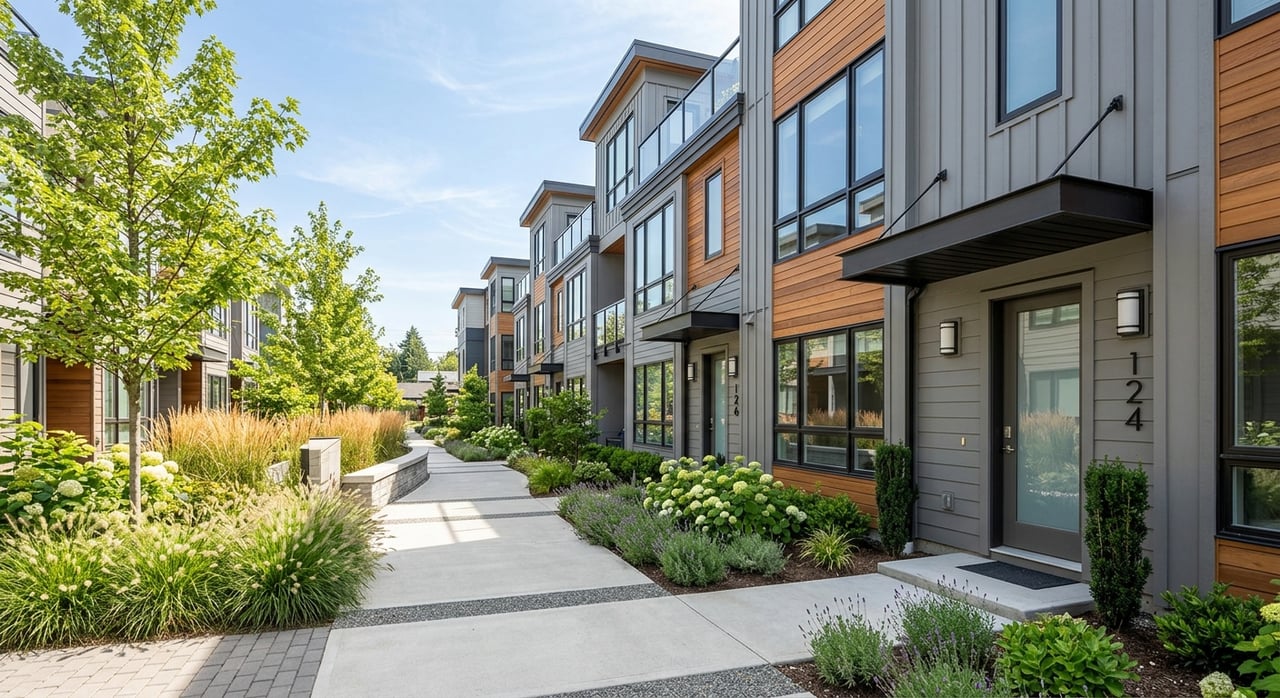
Redwood Shores is a planned waterfront community within Redwood City. Many townhomes sit near lagoons and landscaped common areas, and most are part of homeowners associations that maintain shared elements like roofs, landscaping, and sometimes docks. You’ll see a mix of ages, layouts, and legal structures.
Location is a major draw. You’re close to Highway 101 and major Peninsula job centers. When you compare options, consider nearby alternatives like Foster City for similar lagoon living, or Belmont and San Carlos for more hillside single-family homes. Weigh commute needs, school boundaries by address, and whether a townhome or single-family home is the better fit.
Redwood Shores’ bay-fill setting adds a few diligence steps. Parts of the area sit at low elevation behind levees and next to tidal lagoons. You’ll want to understand flood risk, seismic considerations, and who handles exterior maintenance in your HOA. That way, you can plan insurance and long-term costs with clear eyes.
Step-by-step buying roadmap
Step 1: Confirm ownership type
Before you tour deeply, clarify how the property is legally classified:
- Condominium in a common-interest development
- Planned Unit Development (PUD)
- Fee-simple townhome
This affects financing options, insurance needs, and who maintains what. Ask for the HOA’s responsibility matrix in the CC&Rs so you know whether roofs, decks, exterior paint, and foundations fall to the HOA or the owner. Bold move to start right: confirm legal classification early.
Step 2: Get pre-approved with a local-savvy lender
Work with a lender that understands Peninsula condo and townhome underwriting. Condominium projects often require project review and have lender overlays related to owner-occupancy ratios, commercial space, or HOA delinquencies. If you plan to use FHA or VA financing, verify whether the project appears on the approved lists. Pre-approval strengthens your offer and sets the right timeline expectations.
Step 3: Build your touring checklist
When you tour, look beyond finishes. Bring a list and note items that affect value, comfort, and cost of ownership.
Unit-level condition
- Interior systems: HVAC age, water heater, appliances, windows and doors
- Signs of moisture: baseboards near exterior walls, ceilings under shared rooflines, mechanical closets
- Noise and privacy: party walls, stairwell or elevator proximity, orientation to parking or streets
- Parking and storage: assigned spaces, guest parking, EV charging availability or HOA policy
- Outdoor areas and amenities: balcony condition, common-area upkeep, docks or lagoon access, pool/spa
Quick questions for the listing agent
- Legal classification: condo vs PUD vs fee-simple
- Monthly HOA dues and inclusions: water, sewer, trash, master insurance, exterior maintenance
- Special assessments: recent, current, or planned projects
- Unit history: past repairs or claims, including roof, flood remediation, or termite work
- Use restrictions: rental rules, short-term rentals, owner-occupancy requirements
- Market context: days on market and interest level to calibrate offer strength
Step 4: Request HOA documents early
As interest becomes serious, line up a complete HOA packet. Plan an HOA document review contingency in your offer so you have time to analyze what you receive.
Core documents to request
- Governing documents: CC&Rs, bylaws, articles, rules and regulations
- Financials: current budget, prior-year financials, balance sheet, reserve study
- Meeting materials: board minutes and member communications for the past 12–24 months
- Insurance: master policy certificate, coverages and deductibles
- Litigation: disclosures on any pending or threatened legal actions
- Estoppel/Resale Certificate: details on dues, assessments, and any violations or delinquencies
- Project policies: rental limits, pet rules, architectural control, and parking assignments
What to evaluate
- Reserves and capital plan: Are reserves adequate relative to the age of roofs, siding, paving, and other major components?
- Dues trends and special assessments: Steady, modest increases are normal. Large jumps or frequent special assessments deserve extra review.
- Insurance scope and deductibles: Understand whether the master policy is “walls-in” or “all-in,” and where you need supplemental HO-6 coverage.
- Litigation: Active construction defect or flood-related cases can slow or limit financing and affect resale.
- Responsibility matrix: Clear division between HOA and owner duties helps avoid surprise expenses later.
Step 5: Assess flood, seismic, and infrastructure factors
Redwood Shores’ waterfront setting makes hazard diligence especially important.
- Flood and elevation: Check status on flood maps and confirm whether levees protect the area. If the home is in a mapped flood zone, lenders may require flood insurance. Get quotes early and consider an elevation certificate if needed.
- Seismic risk: Like the rest of the Bay Area, earthquake exposure exists. Review who maintains structural elements and consider separate earthquake coverage.
- Sewer infrastructure: Aging sewer laterals are a common Peninsula issue. Confirm whether any city or county program requires inspection or remediation at sale.
Step 6: Structure a strong, protective offer
Offer terms should balance competitiveness with protection.
Key contingencies to consider
- Loan contingency and appraisal contingency
- General inspection contingency
- Dedicated HOA document review and approval contingency
Other terms to calibrate
- Inspection period: Ensure you have enough time to read HOA documents and complete specialty inspections
- Earnest money: Sized to show good faith, with protections tied to your contingencies
- Closing timeline: Peninsula escrows often run about 30–45 days, depending on lender and HOA turnaround times
Step 7: Plan the right inspections
Match your inspection scope to Redwood Shores’ setting and the HOA’s division of responsibilities.
Core and specialty inspections
- General home inspection covering structure and systems
- Wood-destroying pest inspection, commonly completed for California sales
- Sewer scope to check for blockages, root intrusion, or leaks
- Roof and attic inspection, even if the HOA maintains these elements
- Exterior envelope and water-intrusion assessment, especially near lagoons
- Mold or indoor air-quality testing if you see signs of moisture
- Foundation or structural review if any cracking or settlement appears
- Elevation survey or flood elevation certificate if flood status is unclear or insurance quotes require it
Step 8: Dial in insurance and title
Protect your investment and satisfy lender requirements with the right coverages and clean title.
- Title insurance: Owner and lender policies help address recorded items such as CC&Rs, easements, liens, and assessments
- Transfer taxes and recording fees: Check San Mateo County and Redwood City norms as you build your closing estimate
- Special assessments or bonds: Confirm any Mello-Roos or other local assessments
- Match policy type to ownership: HO-6 for condos to cover interiors and master policy deductibles, or HO-3 for fee-simple townhomes if you own the structure
- Flood insurance: If required by your lender or prudent based on location, compare NFIP and private options early
- Earthquake insurance: Consider separate coverage in line with your risk tolerance
Step 9: Navigate closing logistics
Stay ahead of the items that most often delay Peninsula townhome closings.
- HOA estoppel and resale certificate: Delivery times vary and can impact escrow
- Lender and appraisal: Condo project reviews or appraiser requirements can extend timelines
- Litigation and assessments: Active litigation or imminent special assessments may cause lenders to slow or modify approvals
- Municipal compliance: If the city requires sewer lateral or pest work before transfer, plan scheduling early in escrow
Quick pre-offer checklist
- Confirm legal form: condo vs PUD vs fee-simple
- Get HOA facts: monthly dues, recent special assessments, upcoming projects
- Identify HOA contacts and whether a master association exists
- Check flood status and get early flood-insurance pricing
- Prequalify with a lender experienced in Peninsula condo/townhome loans
- Block out inspection windows for pest, sewer, roof/attic, and envelope reviews
Comparing nearby alternatives
As you evaluate Redwood Shores, consider how it stacks up to adjacent markets:
- Foster City: Similar lagoon lifestyle and bay-fill context, with comparable flood and levee diligence
- Belmont and San Carlos: More hillside single-family options and varied topography
- Broader Redwood City: Wider price points and property types beyond the Shores
Let commute, ownership type, flood considerations, HOA costs, and amenities guide your choice rather than focusing on a single factor.
How Robert Pedro helps you buy with confidence
Buying a townhome in Redwood Shores blends standard home-buying steps with HOA, flood, and project-level diligence. As a long-time Peninsula broker-owner, Robert Pedro offers hands-on guidance across the entire process. You’ll get help clarifying ownership type, interpreting HOA financials and reserve studies, coordinating specialty inspections, and aligning financing with the project’s requirements. If you are an investor, vertically integrated property management support can streamline the transition from close to leasing.
Ready to explore Redwood Shores townhomes with a trusted local advisor? Connect with Robert Pedro to plan your next steps.
FAQs
What should first-time buyers know about Redwood Shores townhomes?
- Many properties are in HOAs, and units can be condos, PUDs, or fee-simple townhomes. Confirm classification early since it drives financing, insurance, and maintenance responsibilities.
How long should I plan to review HOA documents before committing?
- Build an HOA document review contingency into your offer and allocate enough time to read CC&Rs, financials, reserve study, meeting minutes, insurance, and any litigation disclosures before you remove contingencies.
Do I need flood insurance for a Redwood Shores townhome?
- It depends on the specific address and flood zone. Check flood maps and levee context. If the property lies in a mapped flood zone, lenders may require flood insurance. Get quotes early in escrow.
Which inspections matter most near lagoons or low-elevation areas?
- In addition to general and pest inspections, consider sewer scope, roof/attic, exterior envelope and water intrusion reviews, and an elevation or flood certificate if flood status is unclear.
Can I use FHA or VA financing in Redwood Shores?
- Possibly. Verify whether the condo or townhome project is on the relevant approved list. If it is not, financing may be limited or require a different approach with your lender.
What closing costs should I expect in San Mateo County?
- Typical line items include title insurance, transfer taxes, and recording fees. Also confirm any special assessments or bonds tied to the property and HOA transfer or estoppel fees.
Who maintains roofs, decks, and exterior paint in an HOA?
- It depends on the CC&Rs and responsibility matrix. Some HOAs handle exterior elements; others place certain items on the owner. Request and review the governing documents to be sure.